The Healing Power of a Wholesome Diet for Brain Tumor Patients
By Jeanne M. Wallace, PhD, CNC
What can a healthy diet accomplish?
Brain tumors are a formidable foe, and many of us view our fight against them as a war,harnessing powerful treatments like surgery, radiation and chemotherapy as the linchpin of our plan of attack. How then can “wimpy” fruits, vegetables, whole grains and other healthy foods have any effect against this dreaded enemy? While wholesome foods and nutrients are not a cure for brain cancer, they can provide an important complementary strategy to help bolster the body’s regulatory “controls” against cancer. A healthy diet is one of the best ways to boost your immune system and complement your radiation and/or chemotherapy treatments…and there are several other ways good nutrition can help.
Phytonutrients: Our Cancer “Phyters”
The anti-cancer benefits of diets rich in fruits and vegetables have long been attributed to their high vitamin, mineral and fiber content. More recently, however, researchers have discovered that fruits, vegetables, legumes, whole grains and kitchen spices contain thousands of other health-promoting compounds, collectively known as phytonutrients. Many phytonutrients appear to have significant cancer fighting properties.
Phytonutrients in many common foods have been shown to promote the death of brain tumor cells in cell culture studies. Among these are:
elemene (found in ginger)
tangeretin and limonene (in citrus peel),
catechins (in green tea)
anthocyanins (in blueberries and chokecherries).
Genistein (in soy)
Perhaps most compelling are new studies that demonstrate phytonutrients have the remarkable capacity to talk directly to and influence our genes. A growing
body of research on phytonutrients shows they can inhibit oncogenes (tumor-promoting genes) and increase the expression of tumor suppressor genes.
In addition, food-based phytonutrients are the richest source of antioxidants - far more potent than vitamin pills! The antioxidant capacity for vitamin E (one 400iu capsule) has been measured as 125 ORAC units, but it’s over 1,000 units per serving for blueberries, cinnamon, pomegranate juice, figs, prunes, raspberries, green tea, strawberries, spinach and kale. Food-based antioxidants are important for promoting gene stability and preventing mutations to the DNA of cancer cells that may lead to more aggressive behavior of tumors and/or resistance to Chemotherapy.
Showing posts with label Diet Strategies. Show all posts
Showing posts with label Diet Strategies. Show all posts
Thursday, November 20, 2008


Sunday, January 20, 2008
The macrobiotic diet
A macrobiotic diet is a strict whole-foods pesco-vegetarian (a diet that includes fish but no meat or poultry) diet. It is appealing to health-minded people who are practicing a holistic approach to physical and spiritual well-being. It focuses on balancing yin and yang foods, which are described below. There have been numerous anecdotal reports of the macrobiotic diet curing people of cancer or other serious diseases, but very little scientific evidence exists.
· 50 to 60% of your diet should be whole grains, 25 to 30% vegetables, 5 to 10% miso and bean soups, and 5 to 10% beans and sea vegetables.
· Avoid very yin or very yang foods
· The diet includes other principles like eating only when hungry, chewing food completely, and keeping the kitchen tidy.
Best bets: Brown rice, barley, whole wheat, fresh broccoli, cauliflower, chickpeas, tofu, sea vegetables like kombu and nori, and vegetable soups. A few servings of nuts and seafood per week are allowed.
More about this diet
The earliest recorded usage of the term “macrobiotics” is found in the writings of Hippocrates. Translated literally, macro is the Greek word for “great” and bios is the word for “life.” Macrobiotics is used by its practitioners as a tool that allows one to learn to live within the natural order of life. Throughout history, philosophers and physicians from many parts of the world have used this term to signify living in harmony with nature, eating a simple, balanced diet, and living to an active old age.
The modern practice of macrobiotics was started in the 1920s by a Japanese educator named George Ohsawa. Ohsawa is said to have cured himself of a serious illness by changing to a simple diet of brown rice, miso soup, and sea vegetables. At the core of Ohsawa’s writings on macrobiotics is the concept of yin and yang. In Chinese philosophy, the opposing forces of yin and yang govern all aspects of life. Yin—representative of an outward centrifugal movement—results in expansion. On the other hand, yang—representative of an inward centripetal movement—produces contraction. In addition, yin is said to be cold while yang is hot; yin is sweet, yang is salty; yin is passive, yang is aggressive. In the macrobiotic view, the forces of yin and yang must be kept in balance to achieve good health.
The macrobiotic diet, therefore, attempts to achieve harmony between yin and yang. To this end, foods are classified into yin and yang categories, according to their tastes, properties, and effects on the body. The two food groups—grains and vegetables—that have the least pronounced yin and yang qualities, are emphasized in the macrobiotic diet. Eating these foods is thought to make it easier to achieve a more balanced condition within the natural order of life. Foods considered either extremely yin or extremely yang are avoided. The standard macrobiotic diet recommendations are as follows:
· Whole grains—including brown rice, barley, millet, oats, corn, rye, whole wheat, and buckwheat—are believed to be the most balanced foods on the yin/yang continuum, and should comprise 50 to 60% of a person’s daily food intake. Although whole grains are preferred, small portions of pasta and bread from whole grain flour may be eaten.
· Fresh vegetables should comprise 25 to 30% of food intake. Daily consumption of any of the following vegetables is highly recommended: cabbage, broccoli, cauliflower, kale, bok choy, collards, mustard greens, turnips, turnip greens, onion, daikon radish and pumpkin. Vegetables to be eaten occasionally include celery, iceberg lettuce, mushrooms, snow peas, and string beans. Vegetables should be lightly steamed or sautéed with a small amount of unrefined cooking oil,preferably canola or olive oil.
· Beans and sea vegetables should comprise 5 to 10% of daily food intake. Especially recommended are adzuki beans, chickpeas (garbanzo beans), lentils, and tofu. Sea vegetables, including wakame, hijiki, kombu, and nori, are rich in many vitamins and minerals, and are easily added at each meal.
· Soups and broths comprise 5 to 10% of food intake. Soups containing miso (soy bean paste), vegetables, and beans are acceptable.
· A few servings each week of nuts, seeds, and fresh fish (halibut, flounder, cod, or sole) are permissible. Brown rice syrup, barley malt, and amasake (a sweet rice drink) may be used as sweeteners. Brown rice vinegar and umeboshi plum vinegar may be used occasionally. Naturally processed sea salt and tamari soy sauce may be used to flavor grains and soups.
· Fluid intake should be governed by thirst. Only teas made from roasted grains, dandelion greens, or the cooking water of soba noodles are generally considered acceptable. All teas with aromatic fragrances or caffeine are avoided. Drinking and cooking water must be purified.
· To maintain proper yin/yang balance, all extremely yang foods and all extremely yin foods are avoided. All animal foods, including eggs and dairy products, are believed to have a strong yang quality. Extremely yin foods and beverages include refined sugars, chocolate, tropical fruits, soda, fruit juice, coffee, and hot spices. In addition, all foods processed with artificial colors, flavors, or preservatives must be avoided.
· All foods should be organically grown. Produce should be fresh and locally grown.
Macrobiotic principles also govern food preparation and the manner in which food is eaten. Recommendations in this area include: avoid using a microwave oven to prepare food; cook rice in a pressure cooker; eat only when hungry; chew food completely; eat in an orderly, relaxed manner using good posture; and keep the home in good order, especially where food is prepared.
· 50 to 60% of your diet should be whole grains, 25 to 30% vegetables, 5 to 10% miso and bean soups, and 5 to 10% beans and sea vegetables.
· Avoid very yin or very yang foods
· The diet includes other principles like eating only when hungry, chewing food completely, and keeping the kitchen tidy.
Best bets: Brown rice, barley, whole wheat, fresh broccoli, cauliflower, chickpeas, tofu, sea vegetables like kombu and nori, and vegetable soups. A few servings of nuts and seafood per week are allowed.
More about this diet
The earliest recorded usage of the term “macrobiotics” is found in the writings of Hippocrates. Translated literally, macro is the Greek word for “great” and bios is the word for “life.” Macrobiotics is used by its practitioners as a tool that allows one to learn to live within the natural order of life. Throughout history, philosophers and physicians from many parts of the world have used this term to signify living in harmony with nature, eating a simple, balanced diet, and living to an active old age.
The modern practice of macrobiotics was started in the 1920s by a Japanese educator named George Ohsawa. Ohsawa is said to have cured himself of a serious illness by changing to a simple diet of brown rice, miso soup, and sea vegetables. At the core of Ohsawa’s writings on macrobiotics is the concept of yin and yang. In Chinese philosophy, the opposing forces of yin and yang govern all aspects of life. Yin—representative of an outward centrifugal movement—results in expansion. On the other hand, yang—representative of an inward centripetal movement—produces contraction. In addition, yin is said to be cold while yang is hot; yin is sweet, yang is salty; yin is passive, yang is aggressive. In the macrobiotic view, the forces of yin and yang must be kept in balance to achieve good health.
The macrobiotic diet, therefore, attempts to achieve harmony between yin and yang. To this end, foods are classified into yin and yang categories, according to their tastes, properties, and effects on the body. The two food groups—grains and vegetables—that have the least pronounced yin and yang qualities, are emphasized in the macrobiotic diet. Eating these foods is thought to make it easier to achieve a more balanced condition within the natural order of life. Foods considered either extremely yin or extremely yang are avoided. The standard macrobiotic diet recommendations are as follows:
· Whole grains—including brown rice, barley, millet, oats, corn, rye, whole wheat, and buckwheat—are believed to be the most balanced foods on the yin/yang continuum, and should comprise 50 to 60% of a person’s daily food intake. Although whole grains are preferred, small portions of pasta and bread from whole grain flour may be eaten.
· Fresh vegetables should comprise 25 to 30% of food intake. Daily consumption of any of the following vegetables is highly recommended: cabbage, broccoli, cauliflower, kale, bok choy, collards, mustard greens, turnips, turnip greens, onion, daikon radish and pumpkin. Vegetables to be eaten occasionally include celery, iceberg lettuce, mushrooms, snow peas, and string beans. Vegetables should be lightly steamed or sautéed with a small amount of unrefined cooking oil,preferably canola or olive oil.
· Beans and sea vegetables should comprise 5 to 10% of daily food intake. Especially recommended are adzuki beans, chickpeas (garbanzo beans), lentils, and tofu. Sea vegetables, including wakame, hijiki, kombu, and nori, are rich in many vitamins and minerals, and are easily added at each meal.
· Soups and broths comprise 5 to 10% of food intake. Soups containing miso (soy bean paste), vegetables, and beans are acceptable.
· A few servings each week of nuts, seeds, and fresh fish (halibut, flounder, cod, or sole) are permissible. Brown rice syrup, barley malt, and amasake (a sweet rice drink) may be used as sweeteners. Brown rice vinegar and umeboshi plum vinegar may be used occasionally. Naturally processed sea salt and tamari soy sauce may be used to flavor grains and soups.
· Fluid intake should be governed by thirst. Only teas made from roasted grains, dandelion greens, or the cooking water of soba noodles are generally considered acceptable. All teas with aromatic fragrances or caffeine are avoided. Drinking and cooking water must be purified.
· To maintain proper yin/yang balance, all extremely yang foods and all extremely yin foods are avoided. All animal foods, including eggs and dairy products, are believed to have a strong yang quality. Extremely yin foods and beverages include refined sugars, chocolate, tropical fruits, soda, fruit juice, coffee, and hot spices. In addition, all foods processed with artificial colors, flavors, or preservatives must be avoided.
· All foods should be organically grown. Produce should be fresh and locally grown.
Macrobiotic principles also govern food preparation and the manner in which food is eaten. Recommendations in this area include: avoid using a microwave oven to prepare food; cook rice in a pressure cooker; eat only when hungry; chew food completely; eat in an orderly, relaxed manner using good posture; and keep the home in good order, especially where food is prepared.
Monday, January 7, 2008
Nutritional Strategies Against brain Tumour
Can cancer patients eat anything they like? Sure … eat anything you like, so say some experts. There is now enough evidence to say that food has got a lot to do whether you get cancer or not. When and after you have cancer – can you still eat anything your like? They say -- Sure, eat anything you like to build up your body! Is this not making the cancer worse? According to one expert, “cancer could not careless what we eat”. Of course cancer couldn’t careless what we eat …. the more we feed the cancer cells with what they like, the happier they are! Yes, the cancer couldn’t careless but our body ought to care … we need to feed our body right so that we can become healthier and DENY the nutrients that would make cancer cells grow and flourish in us. Is it not logical enough?
Fruits and vegetables have been shown to be among the best means to reduce risk of cancer and other diseases … deeply hued fruits and vegetables provide the wide range of vitamins, minerals, fiber and phytochemicals your body needs to maintain good health and energy levels, protect against the effects of aging, and reduce the risk of cancer and heart disease.
Evidence suggests that either a near vegetarian diet or a vegetarian diet is the best Reduction in cancer rates were observed in studies where participants reduced their animal-food consumption. A study showed that some fish added to a vegetarian diet provides benefits … diet containing a significant quantity of animal products cannot be healthy!
A well nourished cancer patient can better manage the disease, has fewer side effects from RT and chemo and increase chances for remission, Norman has completed about half of his 30 fractions of RT and Temodar treatment but he has yet to experience side effects like nausea, vomiting, hair loss and fatigue. At the moment he is still able to work and even treks up Gasing Hill like a breeze! Cool! He and Yam Koh are still racing each other! Oooiiiiiii, slow down abit, will ya?
We are seeing a Dr Pang at USJ9 for guidance on eating a proper diet and taking the correct supplements. She majors in preventive medicine. Her chief objective now is to boost up Norman’s immune system. Her diet plans plus my knowledge from hours of fervent reading online is as follows:
1 The super nutrients juicer
Juice 3 veggie -celery, cucumber, carrot twice a day
Juice 2 fruit- Guava, pineapple, grapes, pear, apple twice a day
Fruits to be taken whole-banana, papaya, red dragon fruit, kiwi, chestnuts
If possible, eat organic fruits. Sometimes I add enzyme powder to the juice too.
Avoid watermelon and durians, they contains too much toxins.
2 Eat organic food
Recommended diet portion of veggie is 1 cup cooked + 2 cups raw veggie for lunch or dinner. Only small portion of fish is permitted. We try to keep to this regime but I usually end up stir frying the veggie instead. I would like to add more variety and spices eg. Organic curry, mixed herbs, oregano, basil leaves, to enhance the flavor of food for Norman.
Norman likes salad. So I try to mix all the veggie, nuts, tomatoes, carrots, flaxseed oil, etc from the organic shop and I call it “Dorothy’s Salad”. So easy, No need cooking. Ha! Ha!
I welcome any vegetarian recipes from anyone. I am now learning to make lui cha fan. I got the recipe from Amy Beh website.
3 Food to avoid
a) Any sweet food. Sugar fuel and strengthen cancer cells. Elevated blood glucose lowers immune system.
b) Avoid all fizzy drinks (including 100 plus), white sugar (substitute with Stevia or molasses sugar), white rice (substitute with millet, cous-cous, brown rice, quinoa), and white bread (substitute with whole grain bread, rye bread).
c) Avoid all diary products and processed foods.
d) Avoid all meat to reduce acidosis in body. Meat like, beef, chicken, pork, lamb are completely out. Small portion of fish is permitted. Beans, nuts and millets will provide sufficient intake of protein.
While on radiation and chemotherapy, Norman drinks wheat grass juice, Millennium juice, coconut water, phyto-berry drink and lots of alkaline water. We just installed a Toyo alkaline water system recently.
Super food-We try to eat these food daily.
Garlic - Scientist find that garlic is deadly to invading pathogens or tumor cells, but is harmless to normal healthy body cells, thus offering the hope of the truly selective toxin against cancer that is being sought world wide.
Cruciferous vegetables – Broccoli, cabbage, spinach, all types of big leafy greens and cauliflowers are able to increase the body’s production of glutathione peroxides, which is one of the most protective enzyme systems in the body.
Mushrooms – Now there is an abundance of scientific evidence showing that Rei-shi, Shiitake, and Maitake mushrooms are potent anti cancer food. Oral extract of Maitake provided complete elimination of tumors in 40% of animals tested while the remaining 60% of animals had a 90% of elimination of tumors. It contains a beta-glucan which stimulates the immune system and even lowers blood pressure.
Legumes – Soya beans, pinto beans, black beans, garbanzo, red beans and green beans provide adequate proteins in the diet. Isoflavones and phytoestrogens in the soy beans have potent anti cancer properties. I boil these together with the millet for dinner. Organic fermented beans like black bean taucu and miso are the best. I use them to enhance food taste instead of salt.
Other food that we eat regularly- seaweed, ginger, snow fungus, black fungus, Inoki mushroom, sweet potatoes
Fruits and vegetables have been shown to be among the best means to reduce risk of cancer and other diseases … deeply hued fruits and vegetables provide the wide range of vitamins, minerals, fiber and phytochemicals your body needs to maintain good health and energy levels, protect against the effects of aging, and reduce the risk of cancer and heart disease.
Evidence suggests that either a near vegetarian diet or a vegetarian diet is the best Reduction in cancer rates were observed in studies where participants reduced their animal-food consumption. A study showed that some fish added to a vegetarian diet provides benefits … diet containing a significant quantity of animal products cannot be healthy!
A well nourished cancer patient can better manage the disease, has fewer side effects from RT and chemo and increase chances for remission, Norman has completed about half of his 30 fractions of RT and Temodar treatment but he has yet to experience side effects like nausea, vomiting, hair loss and fatigue. At the moment he is still able to work and even treks up Gasing Hill like a breeze! Cool! He and Yam Koh are still racing each other! Oooiiiiiii, slow down abit, will ya?
We are seeing a Dr Pang at USJ9 for guidance on eating a proper diet and taking the correct supplements. She majors in preventive medicine. Her chief objective now is to boost up Norman’s immune system. Her diet plans plus my knowledge from hours of fervent reading online is as follows:
1 The super nutrients juicer
Juice 3 veggie -celery, cucumber, carrot twice a day
Juice 2 fruit- Guava, pineapple, grapes, pear, apple twice a day
Fruits to be taken whole-banana, papaya, red dragon fruit, kiwi, chestnuts
If possible, eat organic fruits. Sometimes I add enzyme powder to the juice too.
Avoid watermelon and durians, they contains too much toxins.
2 Eat organic food
Recommended diet portion of veggie is 1 cup cooked + 2 cups raw veggie for lunch or dinner. Only small portion of fish is permitted. We try to keep to this regime but I usually end up stir frying the veggie instead. I would like to add more variety and spices eg. Organic curry, mixed herbs, oregano, basil leaves, to enhance the flavor of food for Norman.
Norman likes salad. So I try to mix all the veggie, nuts, tomatoes, carrots, flaxseed oil, etc from the organic shop and I call it “Dorothy’s Salad”. So easy, No need cooking. Ha! Ha!
I welcome any vegetarian recipes from anyone. I am now learning to make lui cha fan. I got the recipe from Amy Beh website.
3 Food to avoid
a) Any sweet food. Sugar fuel and strengthen cancer cells. Elevated blood glucose lowers immune system.
b) Avoid all fizzy drinks (including 100 plus), white sugar (substitute with Stevia or molasses sugar), white rice (substitute with millet, cous-cous, brown rice, quinoa), and white bread (substitute with whole grain bread, rye bread).
c) Avoid all diary products and processed foods.
d) Avoid all meat to reduce acidosis in body. Meat like, beef, chicken, pork, lamb are completely out. Small portion of fish is permitted. Beans, nuts and millets will provide sufficient intake of protein.
While on radiation and chemotherapy, Norman drinks wheat grass juice, Millennium juice, coconut water, phyto-berry drink and lots of alkaline water. We just installed a Toyo alkaline water system recently.
Super food-We try to eat these food daily.
Garlic - Scientist find that garlic is deadly to invading pathogens or tumor cells, but is harmless to normal healthy body cells, thus offering the hope of the truly selective toxin against cancer that is being sought world wide.
Cruciferous vegetables – Broccoli, cabbage, spinach, all types of big leafy greens and cauliflowers are able to increase the body’s production of glutathione peroxides, which is one of the most protective enzyme systems in the body.
Mushrooms – Now there is an abundance of scientific evidence showing that Rei-shi, Shiitake, and Maitake mushrooms are potent anti cancer food. Oral extract of Maitake provided complete elimination of tumors in 40% of animals tested while the remaining 60% of animals had a 90% of elimination of tumors. It contains a beta-glucan which stimulates the immune system and even lowers blood pressure.
Legumes – Soya beans, pinto beans, black beans, garbanzo, red beans and green beans provide adequate proteins in the diet. Isoflavones and phytoestrogens in the soy beans have potent anti cancer properties. I boil these together with the millet for dinner. Organic fermented beans like black bean taucu and miso are the best. I use them to enhance food taste instead of salt.
Other food that we eat regularly- seaweed, ginger, snow fungus, black fungus, Inoki mushroom, sweet potatoes
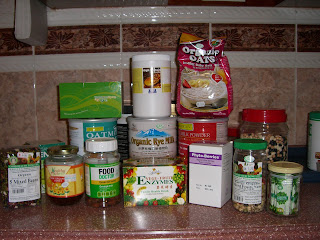 Food Supplements Taken By Norman
Supplements recommended by Doctor
1 AHCC- Active Hexose Correlated compound. Please check online for this very interesting super food from Japan. It is extracted from the myecial threads of a mushroom.
2 Green Tea extract-
3 Prolactar- Friendly bacteria
4 Alpha Lipioc Acid- an antioxidant that increased production of glutathione which helps
dissolve toxic substances in the liver. It can cross the Blood Brain Barrier to go directly where it is needed.
5 Vitamin E
6 Zinc- essential for brain development and function.
Quote of the day!
"Let thy food be your medicine and your medicine be your food."
Hippocrates, father of modern medicine, 400 B.c
Subscribe to:
Posts (Atom)


